Our people make our business work.
Every day, colleagues provide essential services, support customers, maintain and operate our assets, respond to incidents and plan for future challenges – often in roles customers may never see.
We want NWG to be a safe, inclusive and high-performing workplace where colleagues can thrive, develop and feel proud of the contribution they make. Our people focus includes safety, wellbeing, skills, leadership, early careers, inclusion and open dialogue. As we deliver our largest ever investment programme, having the right people, culture and capability will be essential to delivering for customers, communities and the environment.

Safety and wellbeing
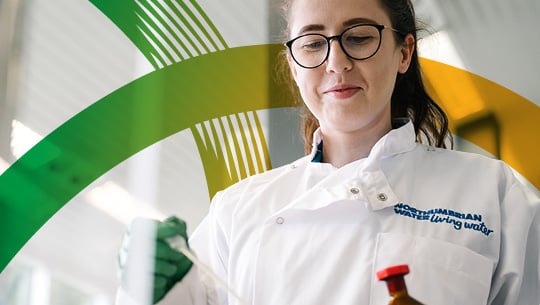
Creating a safe and healthy workplace remains one of our highest priorities. We are committed to maintaining high standards of health, safety and wellbeing across our business, protecting colleagues, partners and contractors working across a wide range of operational and office-based environments.
In 2025/26, colleagues completed more than 105,000 60-second safety checks, held 9,481 safety conversations and undertook 13,070 high-hazard risk assessments. Together, these helped identify and mitigate more than 15,700 high-risk hazards across the business.
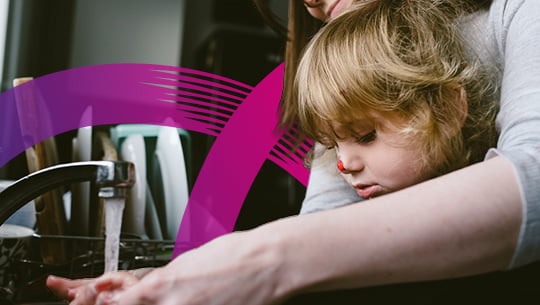
Alongside our safety programmes, we continue to invest in colleague wellbeing through our Living Well programme, which provides support including virtual GP access, counselling, physiotherapy, cancer screening and personalised fitness and nutrition support.
Building future talent
Attracting and developing future talent is critical to the future of our business and the wider water sector.
In 2025/26, we increased apprentices to 104, our highest ever number, welcomed 19 graduates through our Building Futures graduate scheme, and delivered work experience and outreach opportunities to hundreds of young people through schools engagement and the Innovation Festival.
Supporting people to speak up
We want colleagues to feel respected, valued and able to be themselves at work. Colleague-led networks including WiSTEM, Thisability, REACH and Rainbow Support Network help strengthen inclusion and provide spaces for support, learning and advocacy.
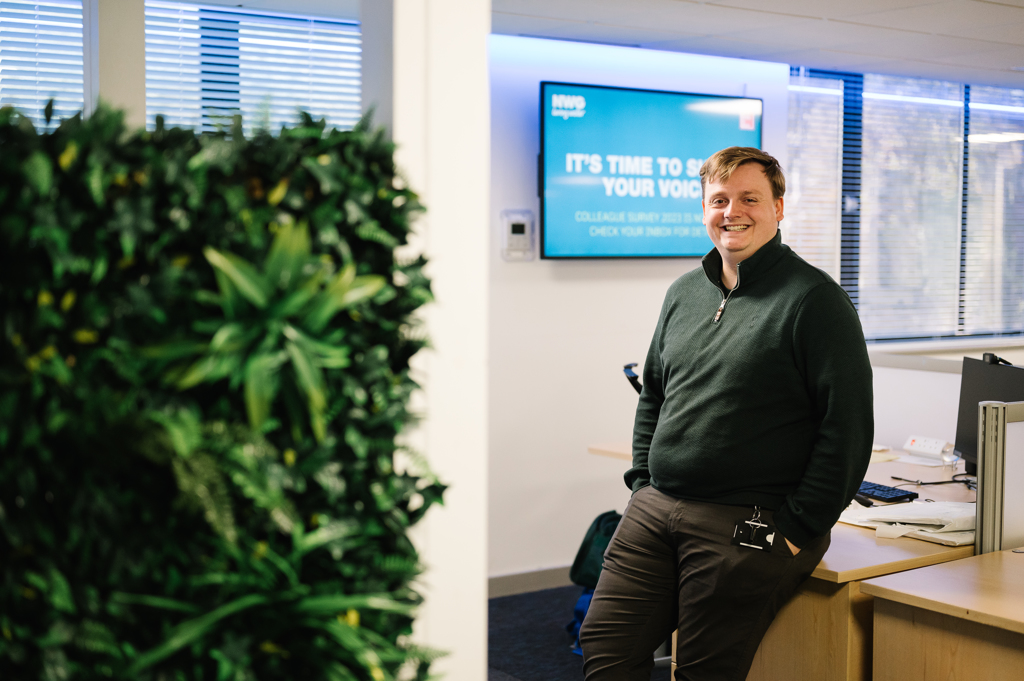
Our Safe to Say initiative supports psychological safety and open dialogue across the organisation, providing a clear route for colleagues to raise concerns about culture or unacceptable behaviours.
Since launch, Safe to Say has received around 27 reports, helping us identify and address issues at an early stage and reinforce expectations around respectful, values-led behaviour.