Climate change affects the services we provide and the environment we depend on.
More frequent extreme weather, changing rainfall patterns, drought risk and rising temperatures can all affect water resources, wastewater systems, asset resilience and supply chains.
Our work focuses on reducing greenhouse gas emissions, increasing renewable generation and adapting our services so we can continue to provide reliable water and wastewater services in a changing climate.
Renewable energy in action
Renewable generation helps reduce reliance on grid electricity and supports lower-carbon operations.
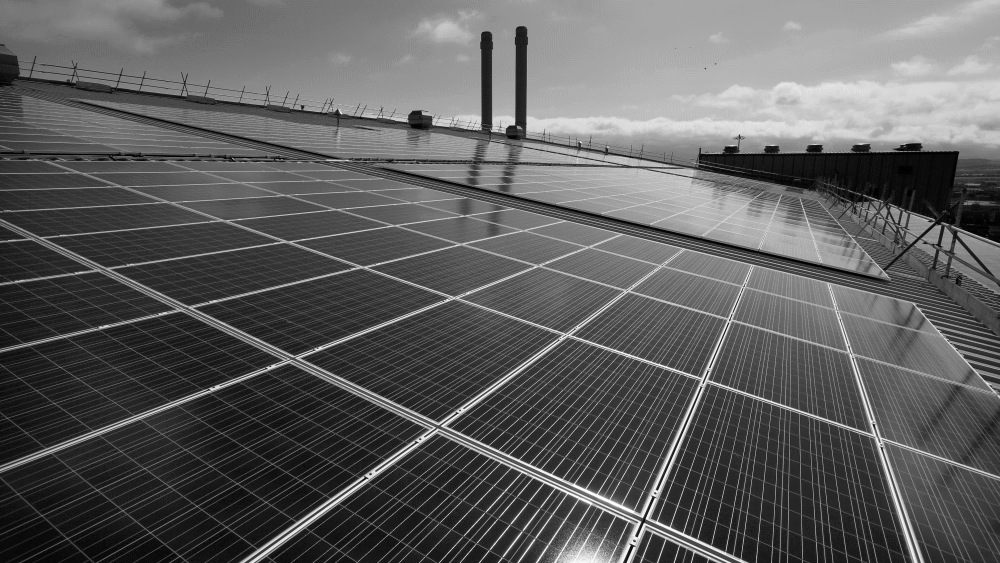
At Broken Scar Water Treatment Works, more than 15,000 solar panels generate renewable energy directly for wastewater treatment operations. The site has completed its first full year of operation, with updated performance data being confirmed.
This forms part of our wider ambition to increase solar generation across our estate, including a target of 50MW of solar generation.
Using data and innovation
Smart technology is helping us better understand and manage our wastewater network.
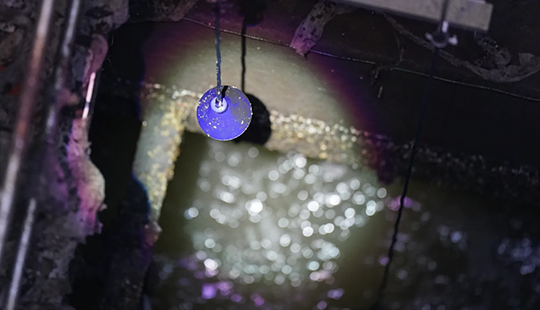
Smart Sewers uses live data, rainfall forecasting and artificial intelligence to make better use of existing pipes, pumping stations and storage. River Deep Mountain AI and OCI³ are exploring how open data, AI and catchment intelligence can support better decisions for river health.