
Pollution Incident Reduction Plan
In everything we do, we aim to protect and improve the environment for the benefit of all.
We work hard to make sure all our assets work as they should but at times things can go wrong and the below plan outlines what we will do reduce these incidents and also what we will do if an incident occurs.
We are fully committed to being as ethical, open, and honest as we can with you and so we publish a wide range of information including this plan.
Heavy rainfall can quickly overwhelm parts of the sewer network, increasing the risk of storm overflow spills and sewer flooding.
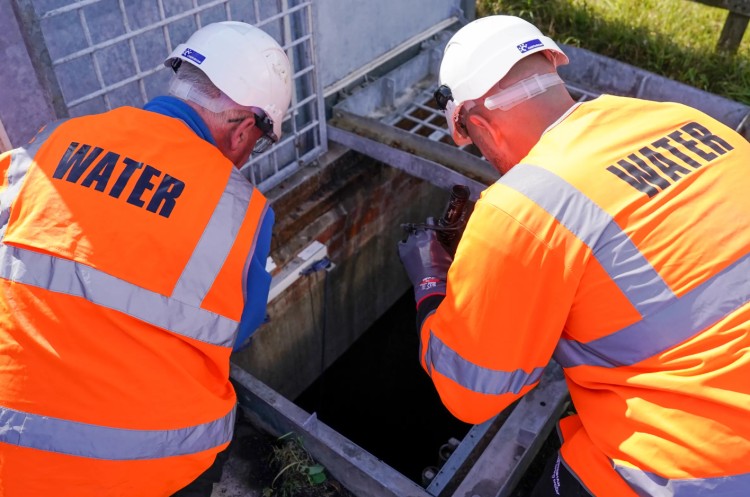
Our Smart Sewers programme tackles this challenge head on by using AI and smart sensors to predict when and where rainfall is likely to impact the network, allowing wastewater to be diverted to emptier parts of the system before pressure builds and is released through storm overflows.
In practice, this means we can act earlier and more intelligently during wet weather. Hundreds of sensors installed across the network monitor flows and levels in real time, while advanced modelling combines this information with detailed weather forecasts. Together, this allows teams to anticipate stress in the system and take action in advance - rather than reacting once assets are already under strain.
The programme focuses on making better use of the infrastructure we already have. By holding back or redistributing flows across pipes, pumping stations and existing storage tanks, Smart Sewers help create capacity where it’s needed most during rainfall events, reducing the likelihood of spills and flooding without relying solely on major new construction.
We’ve been investing at scale to deliver this approach. In Tyneside, a £20m programme has seen hundreds of sensors installed across the catchment, supporting more proactive, network-wide control during wet weather. Early operational results show the impact this type of approach can have, with significant reductions in spills and spill volumes achieved through active management of flows.
The programme continues to expand, with further phases underway beyond North Tyneside, including work at Marske in Teesside and looking at opportunities in our AMP8 storm overflow investment programme. Each phase builds on what we learn from real rainfall events, helping refine forecasts, improve responses and strengthen performance over time.
Why it matters: By predicting and managing flows more intelligently, Smart Sewers help prevent spills, reduce flood risk and protect coasts and rivers - while making smarter use of existing assets.
Power outages can quickly create pollution risk at wastewater sites.
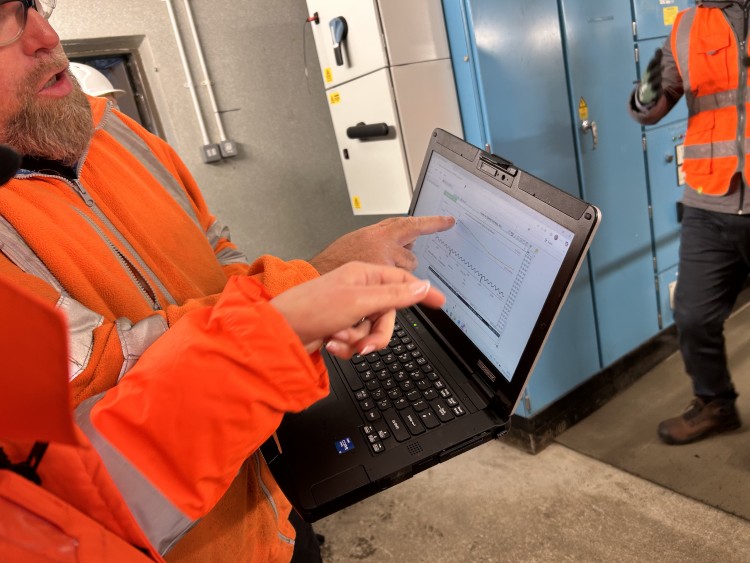
When electricity is lost, pumping stations can go offline - and while teams mobilise straight away, restoring power can be complicated by access, fault type, or the time it takes to get generators to site. Every minute counts when it comes to protecting the environment.
To reduce this risk, we’re assessing an innovative battery resilience system across some of our highest-risk wastewater sites. Working in partnership with STN Power Systems, and with input from our wastewater teams, we’ve developed a bespoke battery unit designed to seamlessly kick in when an outage occurs, helping sites continue operating with minimal interruption.
These systems use recycled batteries to provide a clean, reliable backup power source. Unlike traditional generators - which can take time to start up - the battery solution responds instantly, reducing downtime at the point it matters most. The design is also modular, making it quicker to construct and replicate across different types of site and equipment.
The results so far are already clear. Across the first three installations at high-risk pumping stations, the system has prevented three pollution incidents, avoiding environmental harm.
Early performance also suggests the batteries are capable of providing several hours of continuous backup power, which gives the site increased resilience and improves our ability to manage the pollution risk presented by power interruptions.
Building on this success, we’ll be seeking to extend the rollout of this innovative solution throughout 2026 across our North East operating region. Locations will be prioritised where power outages are more likely and where the consequences of lost power could be most severe.
Why it matters: Resilient power reduces the likelihood of outages turning into incidents – protecting waterways, communities and customers while improving environmental performance.
StormHarvester uses real site information and operational data, combined with machine learning algorithms, to provide insight into the performance of our sewage network and pumping stations.
It continuously monitors the network, collecting data from multiple points and analysing changes in performance. When it detects a change, StormHarvester sends an alert to our teams. These alerts allow issues to be identified early and addressed before they escalate.
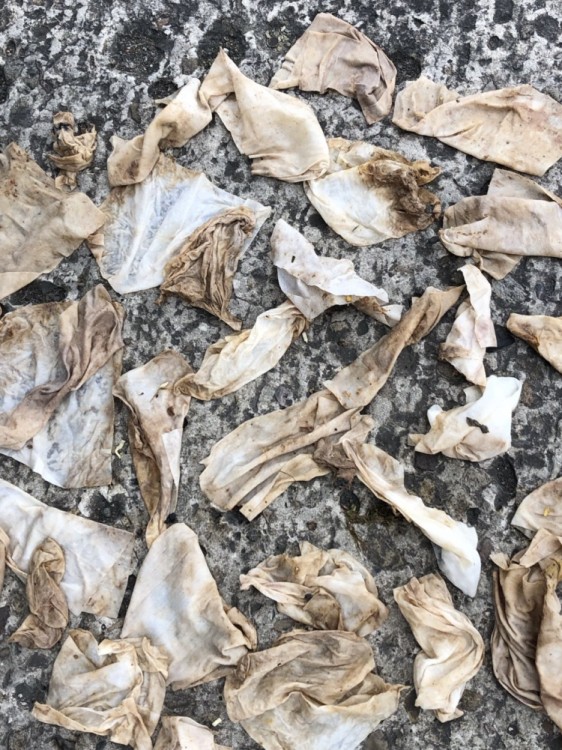
One example demonstrates how this works in practice. An alert indicating a change in pump performance prompted an operational inspection at a sewage pumping station, where teams identified a blockage caused by a build up of wipes and sanitary waste.
Following the inspection, the blockage was removed, the pump was checked for damage, and the station was returned to normal operation. Acting at this stage prevented a potential pump failure and avoided the wider impacts that can result from prolonged downtime or equipment damage.
The impact of StormHarvester’s alerting capability has been significant. By identifying issues earlier, teams are able to maintain operational efficiency, reduce disruption and support more proactive management of pumping stations.
In addition, StormHarvester supports compliance with environmental regulations by helping prevent issues that could otherwise develop into unplanned discharges or pollution incidents.
Why it matters: Early identification of emerging issues helps prevent failures escalating into pollution incidents, protecting the environment and maintaining reliable wastewater services.